Types of Roof Flashing and Where Each Is Used
Understanding types of roof flashing and where each is used helps ensure proper installation, and local contractors can provide expert services to handle your specific roofing needs.
Understanding the different types of roof flashing and where each is used is essential for property owners looking to protect their homes from water intrusion and structural damage. Properly installed flashing helps direct moisture away from vulnerable areas such as chimneys, vents, skylights, and roof valleys. Knowing which flashing materials and styles are best suited for specific locations can make a significant difference in maintaining the integrity and longevity of a roof. For those in the area considering repairs or upgrades, exploring this topic provides practical insights that can inform decisions when working with local contractors who specialize in roof flashing installation and repair.
Property owners often turn to local service providers to ensure their roof flashing is correctly installed and suited to their home’s unique needs. Whether addressing existing issues or planning for future improvements, understanding the various types of roof flashing and their applications helps in choosing the right solutions. Local contractors can assess specific areas of a roof and recommend the most effective flashing options to prevent leaks and extend the life of the roof. Continuing to explore this subject can empower homeowners to make informed choices and connect with experienced professionals equipped to handle their roofing needs.
- Step flashing - needed around chimneys and roof intersections, where local contractors ensure proper sealing to prevent leaks.
- Continuous flashing - used along roof edges and valleys, with service providers installing durable materials for long-lasting protection.
- Valley flashing - required in roof valleys to channel water away, with local pros customizing installation to suit specific roof designs.
- Drip edge flashing - installed along eaves and rakes to direct water away from the fascia, with contractors ensuring proper alignment and sealing.
- Vent pipe flashing - necessary around roof vents and exhausts, with service providers fitting flashings that accommodate different pipe sizes and shapes.
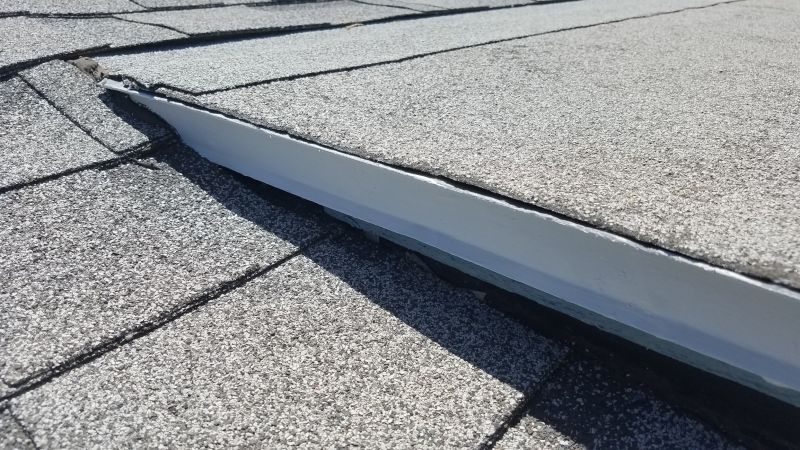
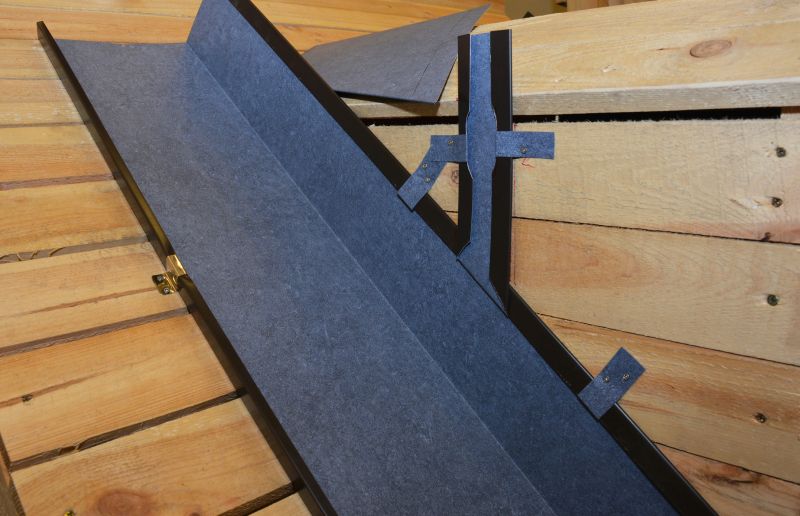

When homeowners search for information about types of roof flashing and where each is used, they are often trying to understand how to protect their property from leaks and water damage. Roof flashing is a critical component that seals joints, edges, and penetrations where water might otherwise seep into the home. This topic is especially relevant during roof repairs, replacements, or new construction projects, as choosing the right flashing type can prevent costly damage over time. Many property owners also seek advice when planning maintenance or upgrades to ensure their roofs remain durable and weather-resistant, making it important to connect with local contractors who specialize in proper flashing installation and repair.
Different types of roof flashing are suited to various areas of a roof and serve specific functions. For example, step flashing is commonly used along roof-to-wall intersections, where it directs water away from the junction. Continuous or apron flashing often covers the top of a low-slope roof or around chimneys, providing a seamless barrier against water intrusion. Valley flashing is installed in roof valleys, where two roof planes meet, to channel runoff efficiently. Each type is designed to handle different angles, materials, and exposure levels, making it essential for homeowners to understand which is appropriate for their property's unique features. Local service providers are experienced in selecting and installing the correct flashing types to match the roof's design and environmental conditions.
The types of properties that typically involve roof flashing work include residential homes, especially those with complex rooflines or multiple levels, as well as commercial buildings with flat or low-slope roofs. Homes with chimneys, skylights, dormers, or vent pipes often require specialized flashing to ensure these penetrations are sealed properly. Commercial properties, such as retail stores or warehouses, may have extensive flat roofing systems that depend heavily on appropriate flashing to prevent leaks. Additionally, properties in areas with heavy rainfall or snow are more likely to need specific flashing solutions to withstand harsh weather conditions. Local contractors familiar with these property types can assess the unique needs of each project and recommend the best flashing options to protect the structure.
Understanding the different types of roof flashing and where each is used helps homeowners make informed decisions during roof repairs or new installations. Proper installation by experienced local service providers ensures that flashing performs as intended, preventing water damage and extending the roof’s lifespan. Whether dealing with a simple residential roof or a complex commercial system, knowing the function and placement of various flashing types can guide property owners toward more durable and weather-resistant roofing solutions. Connecting with local contractors who specialize in roof flashing can provide the expertise needed to select, install, or repair the right flashing for any property, ensuring long-term protection against water intrusion.
Roof repair projects - replacing or repairing damaged flashing requires skills similar to those used in installing new roof flashing systems, making local contractors a good resource.
Chimney flashing installation - involves precise planning and sealing techniques comparable to those used in other types of roof flashing to prevent leaks around protrusions.
Vent pipe flashing services - installing or replacing vent pipe flashings requires careful attention to detail and waterproofing skills akin to those needed for roof flashing work.
Skylight flashing projects - ensuring proper sealing and integration with roofing materials is similar to the work involved in types of roof flashing and where each is used.
Gutter and soffit installation - requires planning and sealing techniques that overlap with the skills used in installing various roof flashing types for weatherproofing.
Roof waterproofing services - applying waterproofing membranes and sealants involves expertise in sealing joints and edges, similar to the skills needed for different roof flashing applications.
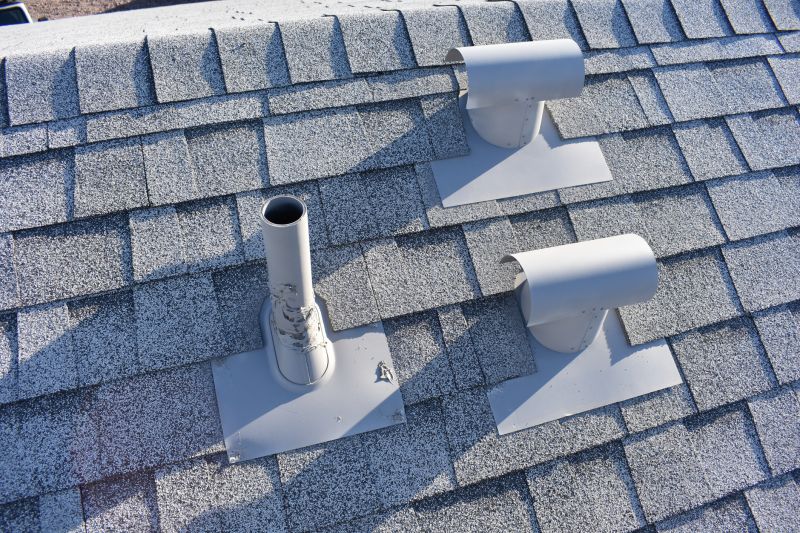
When comparing service providers for roof flashing, it’s important to consider their experience with similar projects. Homeowners should inquire about the types of roof flashing they have installed and the specific applications they are familiar with, such as valleys, chimneys, vents, or skylights. Contractors with a proven track record handling a variety of flashing types are more likely to understand the nuances of each, ensuring the right materials and techniques are used for durability and performance. Reputable local contractors often have a portfolio of completed work that can demonstrate their familiarity with different roofing components and flashing details, providing confidence that they can meet the unique demands of each project.
Clear written expectations are essential when evaluating potential service providers. Homeowners should seek detailed descriptions of what the flashing installation or repair will entail, including the materials to be used, the scope of work, and any warranties or guarantees offered. This transparency helps prevent misunderstandings and ensures that both parties have aligned expectations from the outset. Well-documented proposals or estimates also serve as a useful reference throughout the project, making it easier to compare offerings and assess the professionalism of each contractor.
Good communication and reputable references are key indicators of a reliable roofing service provider. Homeowners should ask for references or reviews from previous clients who had similar work done, especially involving different types of roof flashing and where each is used. This feedback can reveal how well the contractor communicates, manages project timelines, and handles unforeseen issues. A contractor who is responsive, clear in their explanations, and able to provide credible references is more likely to deliver a smooth experience and results that meet the homeowner’s needs. This approach helps ensure that the chosen service provider not only has the technical skills but also maintains a professional and transparent working relationship.
Property owners often search for types of roof flashing and where each is used when they are planning practical projects around their homes and businesses. Local pros provide Roof Flashing services for everyday jobs and straightforward project options.


Understanding the different types of roof flashing and where each is used can help property owners identify potential issues and ensure proper installation during repairs or new construction. Common types include step flashing, continuous (or apron) flashing, and valley flashing, each designed for specific areas like roof-to-wall intersections, chimneys, or roof valleys. Homeowners often look up this information to better understand what their roofing projects entail and to know when specialized flashing might be needed to prevent leaks or water damage. Local contractors who specialize in roof flashing can assess the unique features of a property and recommend the most suitable materials and installation techniques for long-lasting protection.
Choosing the right type of roof flashing depends on the structure’s design and the specific areas exposed to weather elements. For example, step flashing is typically used around chimneys and wall intersections, while continuous flashing is often installed along roof edges and eaves. Valley flashing is essential in roof valleys where two slopes meet, guiding water safely down the roof. Property owners searching for roof flashing services can find local service providers equipped to handle these different types, ensuring the correct materials are used for each application. Proper installation by experienced local contractors can help extend the lifespan of a roof and reduce the risk of leaks or costly repairs in the future.
What are the common types of roof flashing used in residential roofing? Common types include step flashing, continuous (or apron) flashing, and valley flashing, each designed for specific roof features and weather resistance. Local contractors can recommend the best options based on the roof’s design and materials.
Where is step flashing typically installed? Step flashing is usually used along walls, chimneys, and where the roof meets vertical surfaces to prevent water intrusion. Skilled local service providers can ensure proper installation for effective protection.
What is continuous flashing and where should it be used? Continuous flashing is a long, single piece of metal used along roof edges, eaves, or valleys to direct water away from vulnerable areas. Local pros can install it to improve durability and weatherproofing.
Are valley flashings different from other types? Yes, valley flashing is specifically designed for roof valleys where two roof slopes meet, providing a water-resistant barrier. Local roofing experts can tailor valley flashing installation for maximum effectiveness.
How do local contractors decide which type of roof flashing to use? They evaluate the roof’s design, materials, and exposure to weather conditions to select the appropriate flashing types, ensuring long-lasting protection against leaks and water damage.
Step flashing installation - property owners can plan to have step flashing installed around chimneys and roof intersections with the help of local contractors to prevent leaks.
Continuous flashing use - choosing continuous flashing along roof edges and valleys can protect large areas from water intrusion, with local pros providing expert placement.
Valley flashing techniques - understanding where valley flashing is needed helps property owners ensure proper water runoff in roof valleys, with local service providers handling the installation.
Skirt or apron flashing - applying skirt or apron flashing around roof penetrations like vents and skylights can be managed by local contractors to improve weather resistance.
If you are thinking about types of roof flashing and where each is used for a property, this guide is meant to help you understand this topic, the typical project types, and how different options might fit your plans.
When you are ready, you can use the quote form on this page to share a few details about your project. From there, local pros can review the basics and follow up with options that match what you have in mind.